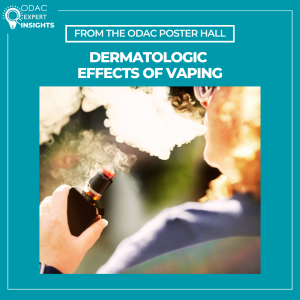
Electronic cigarette use is increasing in the U.S., rising from 4.5% in 2019 to 6.5% in 2023. Although often perceived as safer than traditional smoking, vaping exposes users to carcinogens, volatile compounds, and heavy metals, and its long-term health effects are not fully known. A scoping review presented as a poster at ODAC examines the dermatologic and oral health impacts of vaping.
In an interview with Next Steps in Derm, poster author Julianna Gregory, BSN, shares that the most common findings involved the face and oral cavity. Patients developed persistent oral ulcerations that often improved only after stopping vaping. Facial effects included irritant and allergic contact dermatitis of the lips, perioral skin, cheeks, and eyelids, sometimes linked to metal allergens such as nickel from device components. Vaping was also reported to exacerbate inflammatory and autoimmune skin diseases, including discoid lupus.
Beyond the face, vaping was associated with urticaria and diffuse inflammatory eruptions on the trunk and extremities, suggesting systemic immune activation. Hand dermatitis was also reported due to repeated contact with devices and e-liquid residue. A case of post-surgical free flap compromise highlighted potential vasoconstrictive effects of vaping and raised concerns about impaired wound healing, similar to traditional smoking.
Importantly, dermatologic reactions were reported even with nicotine-free products, indicating that other constituents—such as flavorings, propylene glycol, glycerin, thermal byproducts, and device-derived materials—can act as irritants, allergens, or immune triggers.
Clinicians should routinely ask about vaping as part of the dermatologic history, consider it in unexplained or treatment-resistant conditions (especially involving the face, hands, or oral mucosa), and counsel patients on cessation, including in perioperative settings. The findings also highlight the need for better documentation of vaping behaviors and greater awareness of its potential cutaneous risks.