All Posts By

Allison Sit

Topical Nonsteroidal Therapies for Atopic Dermatitis

By Patient Care

topical nonsteroidal therapies

A new consensus in the Journal of Drugs in Dermatology recommends advanced nonsteroidal topicals — topical JAK inhibitors, aryl hydrocarbon receptor agonists, and PDE‑4 inhibitors — as frontline therapy for AD over traditional topical corticosteroids.

In an interview with Next Steps in Derm, author Christopher Bunick, MD, PhD, shares the panel’s evidence‑based process, graded recommendations, and practical implications for clinic.

Why this matters:

  • These agents offer improved efficacy and safety vs. steroids, especially on thin or sensitive skin (face, folds, genitalia).
  • They better control itch, inflammation, and barrier dysfunction — translating to real gains in sleep and quality of life.
  • Their safety profile supports longer‑term use and easier patient adherence.
  • The consensus provides actionable guidance on where nonsteroidal topicals fit alongside biologics and small molecules.

This interview is a must‑read to update your treatment algorithms and patient counseling.

A Dermatology & Dermatopathology Approach to Systemic Disease

By ODAC Sessions

clinicopathologic correlation

At ODAC, Olayemi Sokumbi, MD, FAAD, delivered a masterclass in clinicopathologic correlation — a timely reminder that careful clinicopathologic thinking changes diagnoses, management, and outcomes. Through two cases, Dr. Sokumbi outlined how clinicopathologic correlation is a clinical imperative:

  • Case 1: Flesh‑colored papules initially called “skin tags” were reclassified as multicentric reticulohistiocytosis after integrating distribution, clinical course (periungual/hand involvement, inflammatory arthritis), and histology — a diagnosis with major implications for arthritis management and malignancy screening.
  • Case 2: Subtle, diffuse skin discoloration with otherwise non‑diagnostic biopsies was clarified by elastic tissue stain to be ochronosis due to alkaptonuria, prompting genetic and systemic workup.

These cases illustrate how dermatologists and dermatopathologists can be the first to uncover multisystem disease and steer timely, life‑altering care.

Practical reminders: Don’t be afraid to re‑biopsy, use targeted IHC and special stains, and maintain close dermatopathology collaboration. Persistence and multidisciplinary care are often the key.

Skin Rejuvenation With Microtoxin: From the ODAC Poster Hall

By Aesthetic Dermatology

microtoxin

Microtoxin is shifting how we approach skin rejuvenation — not by paralyzing muscle, but by improving the skin itself. At ODAC, a retrospective chart review presented by Carolyn Duong, BS (Kansas City University), found that superficially placed, highly diluted botulinum toxin produced meaningful gains in texture, pore size, sebum control, reduced erythema, and refinement of shallow scars — all while preserving natural facial movement.

How does it differ from traditional neuromodulators? Microtoxin is delivered as many small intradermal injections across the face to influence sebaceous/eccrine glands, arrector pili, fibroblast signaling, and neurovascular pathways rather than targeting skeletal muscle. The result is diffuse skin quality improvement rather than focal muscle weakening.

Clinical takeaway: Microtoxin is a valuable complementary tool for diffuse skin concerns (texture, oiliness, mild erythema, superficial scars) but is not a replacement for fillers, lasers, or surgery for deep wrinkles, volume loss, or advanced laxity. Technique standardization and careful patient selection are essential.

Advances in UV Filters, Blue Light Defense, & Beyond

By ODAC Sessions

sun protection

At ODAC, Misty Eleryan, MD, MS, FACMS, delivered a timely roadmap for Sun Protection 2.0 — reframing photoprotection beyond UV and into visible/infrared damage, formulation science, and personalized strategies.

Key takeaways:

  • Photodamage spans UVA/UVB, visible light, and infrared — explaining why some patients still photoage despite diligent sunscreen use.
  • White cast from mineral sunscreens undermines adherence; improving texture and cosmetic elegance is a public-health priority.
  • Innovation is underway: nanotechnology for photostability and reduced absorption, antioxidants (vitamins C/E) to neutralize reactive oxygen species, sunscreen “boosters,” and potential biotech discovery of novel UV filters.
  • Regulatory reality: no new US filters since 1999. The 2025 SAFE Sunscreen Standards Act may finally accelerate safe, globally informed approvals.
  • Emerging tools: wearable UV sensors, topical cannabidiol research, and oral photoprotective supplements like polypodium.

Practical message: Sunscreen remains the foundation, but photoprotection must be multifaceted, involving product choice, behavior, nutrition, and emerging tech. Dermatologists should lead these conversations to improve adherence and outcomes.

Read the full session summary written by Milaan Shah, MD, to explore formulation advances, policy shifts, and actionable counseling tips you can use with patients today.

Reddit Eczema vs. AAD Guidelines: JDD Buzz

By Medical Dermatology

Reddit eczema

When patients tell you they “Googled it” or turned to Reddit, it’s tempting to sigh. However, these forums are where many patients first learn about their skin condition. A new JDD study compared top posts from r/eczema with the latest AAD atopic dermatitis guidelines and the results are both sobering and useful for clinicians.

Highlights:

  • Posts with more misinformation tended to diverge from guideline recommendations, yet many attracted high engagement.
  • Higher upvote percentages correlated with greater guideline alignment — community signals can help surface evidence-consistent advice.
  • Readability did not predict accuracy: clear writing isn’t always correct.

Importantly, r/eczema also offers peer support, exposure to emerging therapies, and practical tips that can empower patients. For clinicians, that’s an opportunity: Learn the narratives patients encounter, proactively address misconceptions, and tailor education to individual needs.

Rather than dismissing patient-sourced knowledge, use it to strengthen communication, build trust, and improve shared decision-making. Read a Next Steps in Derm commentary with one of the study’s authors to explore the study’s methods, findings, and practical strategies for bridging clinic care with online patient communities.

Rethinking Prurigo Nodularis: ODAC Session Summary

By ODAC Sessions

prurigo nodularis

At ODAC 2026, Adam Friedman, MD, FAAD, shared a prurigo nodularis (PN) case that might feel familiar: multiple nodules, relentless itch, one question — why? His message: PN is not merely scratching or a bystander to other dermatoses. It’s a distinct neuroimmune disorder with systemic implications, and overlap does not mean sameness.

PN is sustained by a maladaptive neuroimmune loop: IL‑31 drives itch via sensory neurons, periostin amplifies neural signaling and keratinocyte inflammation, and chronic scratching remodels skin and nerves. Clinically this maps to two meaningful subtypes — inflammatory‑predominant and neuropathic‑predominant — which helps explain variable responses to therapy.

Management goals are simple: reduce itch, interrupt the itch‑scratch cycle, and heal lesions. Tools span topical agents (emerging data for ruxolitinib), neural modulators (gabapentin, pregabalin, mirtazapine), adjuncts like PEA, targeted biologics (nemolizumab), and evolving JAK inhibitors. Expectation setting is key: control, not cure, and “stay on to stay clear” for many patients.

PN often coexists with systemic disease and lifestyle factors that compound burden and reduce quality of life. As mechanism‑driven therapies expand, identifying phenotype and personalizing combinations will improve outcomes.

Read the full session summary, written by Tammy Gonzalez, MD, PhD, to dive into Dr. Friedman’s practical framework and therapeutic insights.

Behind the Bottle Part Deux: JDD Podcast LIVE

By Medical Dermatology

sensitive skin

If you were at ODAC 2026, you already felt the electricity in the room — and now the JDD Podcast is capturing that energy. For its milestone 100th episode, the JDD Podcast returns with Part 2 of “Behind the Bottle,” hosted by Adam Friedman, MD, FAAD, and recorded live in front of ODAC attendees. Building on the first installment with Peter A. Lio, MD, FAAD, this episode pulls back the curtain again on how clinicians can thoughtfully navigate the ever-expanding OTC universe.

Why this episode matters:

  • Two timely, frequently misunderstood conditions take center stage: sensitive skin syndrome and dermatoporosis. Both are becoming increasingly common in clinical practice and yet are often misunderstood.
  • The conversation is practical and evidence-driven. Dr. Friedman and Dr. Lio dissect the underlying biology, clinical presentation, and real-world management challenges clinicians face when recommending products or designing care plans.
  • It’s the JDD Podcast you know — a smart mix of preclinical and clinical data, pragmatic pearls you can use on Monday morning, and Dr. Friedman’s signature wit.

What you’ll take away

  • Clear frameworks for recognizing and diagnosing sensitive skin syndrome — a state of cutaneous hyperreactivity marked by stinging, burning, and barrier dysfunction — so you can separate subjective complaints from objective disease and tailor recommendations accordingly.
  • Practical approaches to managing dermatoporosis (yes, the “osteoporosis of the skin”) — from identifying at-risk patients to minimizing fragility, tearing, and impaired wound healing in an aging population.

This episode is essential listening for dermatologists, dermatology trainees, advanced practice providers, and any clinician who wants to make smarter, more confident product recommendations and care decisions — especially those treating older adults or patients with reactive skin.

The episode is available now on the JDD Podcast feed and wherever you get your podcasts. Listen, subscribe, and share with colleagues who could use a clearer roadmap for sensitive skin and dermatoporosis.

Acne Treatment Advances: ODAC Video Interview

By Uncategorized

acne treatment advances

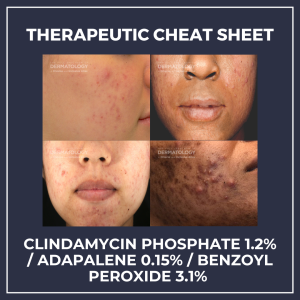
In a Next Steps in Derm video interview conducted in partnership with the ODAC Dermatology Conference, Hilary Baldwin, MD, FAAD, reviews the latest acne treatment advances, including emerging acne treatments and research breakthroughs. New studies highlight two innovative options: a triple combination topical therapy and the first new acne molecule introduced in 40 years, both designed to target the four key pillars of acne pathophysiology.

In the video, Dr. Baldwin also discusses the benefits of the oral antibiotic sarecycline, which can help patients achieve clearer skin while having a lower impact on the gut microbiome. In addition, she previews promising therapies in development, including a freshwater sponge–derived treatment, a fascin inhibitor, and a therapeutic acne vaccine.

Watch and gain insight into acne treatment advances that may change the future of acne care.

Hedgehog Inhibitors for Advanced Basal Cell Carcinoma

By Surgical Dermatology

hedgehog inhibitors for advanced basal cell carcinoma

At the 2026 ODAC Conference, an expert panel led by Vishal A. Patel, MD, FACMS, and C. William Hanke, MD, MPH, FAAD, reviewed evolving strategies for hedgehog pathway inhibitors (HHIs) in advanced basal cell carcinoma (BCC), emphasizing practical clinical decision-making.

The discussion highlighted the two FDA-approved HHIs: vismodegib (approved in 2012 following the ERIVANCE trial) and sonidegib (approved in 2015 based on the BOLT trial). Reported objective response rates were 47% for vismodegib and 56.1% for sonidegib, with median durations of response of 9.5 months and 26 months, respectively. While cross-trial comparisons are limited, both agents demonstrated meaningful disease control and durable responses with continued therapy.

HHIs offer significant tumor shrinkage and may allow retreatment, but they are not typically curative. Common class-related adverse effects—including muscle cramps, dysgeusia, alopecia, and gastrointestinal symptoms—are usually low grade yet chronic, often affecting quality of life and adherence. Sonidegib’s longer half-life (28–30 days) compared with vismodegib (4–12 days) may influence toxicity duration and management decisions.

Clinically, HHIs are best used selectively:

  • As primary therapy for unresectable or inoperable BCC
  • As neoadjuvant therapy to reduce tumor burden before surgery or radiation
  • As bridge therapy to optimize cosmetic or functional outcomes

Even without complete tumor eradication, many patients achieve meaningful functional and cosmetic improvement. Ultimately, successful use of hedgehog inhibitors for advanced basal cell carcinoma depends on careful patient selection, proactive management of adverse effects, and thoughtful integration with surgery, radiation, and immunotherapy—expanding dermatologists’ options beyond surgical management alone.

This session summary was written by Dr. Erica Lin and published on Next Steps in Derm.

Skin Side Effects of GLP-1s: JDD Buzz

By Medical Dermatology

GLP-1 skin side effects

GLP-1 receptor agonists are widely used for type 2 diabetes and weight loss. Their growing use has increased the likelihood that dermatologists will encounter related skin concerns.

A recent analysis of the FDA Adverse Event Reporting System examined reported skin side effects of GLP-1s. The study, which was published in the Journal of Drugs in Dermatology, identified a broad range of dermatologic events. The most frequently reported were pruritus, nonspecific rash, injection-site reactions, urticaria, and alopecia. Hair loss was a particularly notable finding, as it is not widely recognized as a potential effect. Reports of hypersensitivity reactions, including urticaria and rare severe reactions, also suggest a possible immune-mediated component, according to one of the study’s authors, who elaborated on the findings in a Next Steps in Derm interview.

Skin side effects of GLP-1s were reported more often among patients using GLP-1s for weight loss, possibly reflecting higher doses, rapid weight changes, or increased reporting. While some variation in reporting existed among individual agents, the data cannot determine true comparative risk.

Because FAERS is a passive reporting system, the findings show associations rather than causation and likely underestimate true incidence. Overall, GLP-1 therapies remain safe and effective, but dermatologic reactions may be underrecognized.

The key takeaway for clinicians is to consider GLP-1 therapy as a potential contributing factor when evaluating new or unexplained skin findings and to counsel patients accordingly as use of these medications continues to expand.