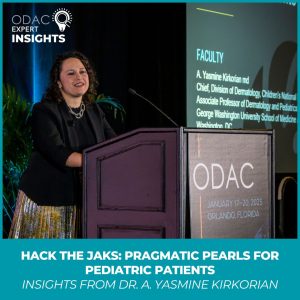
JAK inhibitors have quickly progressed from experimental therapies to valuable treatment options in pediatric dermatology, particularly for atopic dermatitis and alopecia areata. Their expanding use, however, brings important questions about appropriate patient selection, dosing, monitoring, and long-term safety—especially in children, where growth and development add layers of complexity to every decision.
In Dr. A. Yasmine Kirkorian’s ODAC 2025 presentation, she shared practical guidance for clinicians in implementing JAK inhibitors in children. Key themes included:
- Risk–Benefit Balance: Weighing the burden of uncontrolled disease against potential medication risks is essential. Quality of life—and the harm of not treating—must be part of the conversation with families.
- Evolving Safety Data: While short-term safety signals (MACE, VTE) are generally reassuring, more long-term pediatric research is needed.
- On-Label vs Off-Label Use: Understanding FDA-approved age and weight thresholds helps streamline treatment planning and insurance navigation.
- Adverse Effects: Children may experience more hematologic abnormalities and acne (“jackne”), especially with upadacitinib. Lab monitoring is crucial to detect cytopenias and assess baseline trends.
- When to Use JAKs: Most commonly after dupilumab failure in atopic dermatitis, in severe alopecia areata, or when oral therapy is preferable due to needle phobia. They may also be useful in undifferentiated inflammatory dermatoses or cases with overlapping systemic disease.
- Special Considerations Under Age 12: Insurance approval is challenging, making documentation vital. Weight-based approvals and liquid formulations expand options for younger children.
- Alopecia Areata: JAK inhibitors are often first-line for severe disease. Ritlecitinib is FDA-approved for ages 12+, with no lower weight cutoff.
- Impact on Growth: JAK pathways influence growth, and data show mixed effects. Inflammation itself may impair growth, making disease control part of the therapeutic benefit.
- Future Needs: Better understanding of long-term therapy, ethical considerations in chronic use, pregnancy counseling for teens, and clearer insight into how JAK inhibition interacts with childhood growth.
Overall, Dr. Kirkorian’s guidance provides actionable pearls to help dermatologists use JAK inhibitors safely, effectively, and thoughtfully in pediatric patients.
This session summary was written by Kala Hurst, DO, and published on Next Steps in Derm.
Dr. Kirkorian will share more practical pearls at ODAC 2026 in the following sessions:
- Navigating Complex Pediatric Dermatology Cases
- Beyond Topical Steroids: Incorporating PD4 Inhibitors, JAK Inhibitors, and Aryl Hydrocarbon Agonists Into Your Tool Kit – Expert Panel
Register today!